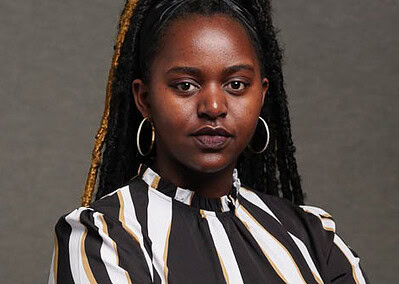
When Camilo Castelblanco-Riveros became a Global Health Fellow, he was a neuroscience PhD student studying how the brain ages. What he found was a set of collaborators, a continent, and a very different kind of lab.
The fellowship introduced Castelblanco-Riveros to the Brain Resilience Kenya study, a multi-year project run by professors Karen Blackmon and Thomas Thesen in collaboration with Aga Khan University to explore how poverty, nutrition, sleep, and sanitation shape whether a brain ages with resilience or decline, questions brain science has largely answered only in high-income countries;
Recently, a Dickey-supported trip to Peru led somewhere else entirely: a grant from Dartmouth’s Irving Institute that is now funding solar panels for a community kitchen in a low-income neighborhood of Lima. Closer to home, the same instinct took him to four Upper Valley dairy farms, delivering food and listening to farmworkers whose 12-hour shifts carry long-term health risks of their own.
“The Global Health Fellowship has been an incredible opportunity to connect with faculty and leaders,” Castelblanco-Riveros says. “The Peru trip led to the Lima community kitchen project, and more. A lot of the story traces back to the fellowship.”
It’s what our global health programs are built to do: give students a starting point and the support to follow their questions wherever those questions lead, across disciplines, across borders, and often into careers or towards research they hadn’t yet imagined. Castelblanco-Riveros plans to attend medical school and help translate brain research into policy.
Read Meghan Wicks full story for the Guarini School: Poverty Shapes the Brain. So Does Resilience